
IMAGE OPTIMIZATION
SEO
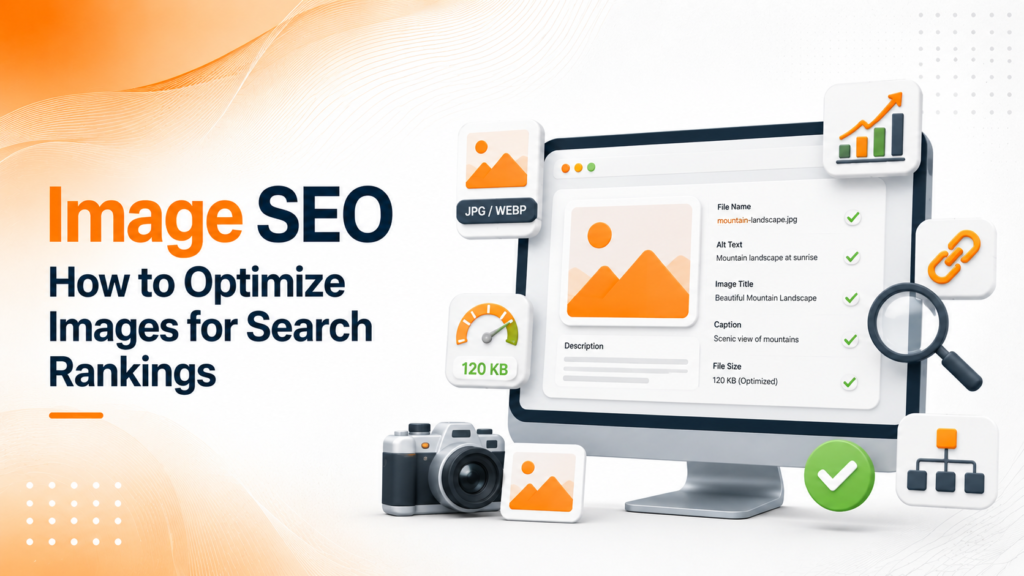
Image SEO: How to Optimize Images for Search Rankings
Images do more than make a page look good properly optimized, they drive real traffic, faster load times, and better rankings.
Why Image SEO Deserves Dedicated Attention
Image SEO often gets overlooked entirely, treated as purely a visual design decision rather than a genuine ranking opportunity. Yet unoptimized images are simultaneously one of the most common causes of slow page load speed and one of the most frequently missed opportunities to capture additional search traffic through image search results.
Optimize images for SEO properly, and a single product photo or blog graphic can drive meaningful traffic on its own through Google Images, while also directly supporting the page’s overall speed and accessibility benefits that compound rather than existing as separate, unrelated wins.
The Building Blocks of Properly Optimized Images
Image compression for web and proper metadata together determine whether images genuinely support both site speed and search visibility.
- Compressed file sizes without visible quality loss
- Descriptive, keyword-relevant file names before upload
- Accurate, helpful alt text for every image
- Modern file formats like WebP for better compression
- Responsive image sizing for different devices
When these elements are addressed together, images become a genuine SEO asset rather than a hidden performance liability.
Ready for images that load fast and actually drive traffic?
Compressing Images Without Sacrificing Quality
Image file size optimization is often the single highest-impact fix for slow-loading pages, since unoptimized, full-resolution images frequently account for the majority of a page’s total load weight. Compression tools reduce file size significantly, often by 50% or more, while maintaining visual quality that’s genuinely indistinguishable to the average visitor.
WebP image format has become the modern standard for web images specifically because it achieves smaller file sizes than traditional JPEG or PNG formats at equivalent visual quality. Most modern browsers now support WebP, making it a practical, widely compatible choice for meaningfully reducing page weight across an entire site.
💡
Tip
Before uploading any image, rename the file descriptively "blue-running-shoes-mens.jpg" instead of "IMG_4521.jpg." This simple habit gives search engines genuine context before the image even loads.
Writing Alt Text That Actually Helps
Image alt text serves two genuinely important purposes simultaneously: it describes image content to screen reader users who can’t see the image directly, and it gives search engines explicit context about what the image actually depicts, since search engines can’t independently interpret visual content the way humans can.
Effective alt text describes the image naturally and specifically “golden retriever puppy playing in autumn leaves” provides far more useful context than either an empty alt tag or an unnaturally keyword-stuffed description that reads awkwardly and provides little genuine value to either screen reader users or search engines evaluating relevance.
21%
Of all web searches happen through Google Images
50%
Average file size reduction from proper compression without visible quality loss
60%
Faster page load with WebP format vs traditional JPEG
Responsive Images for Every Device
Image search rankings and overall page performance both benefit from serving appropriately sized images based on the visitor’s actual device, rather than sending the same large, desktop-sized image file to a small mobile screen unnecessarily. Responsive image techniques automatically serve smaller file variants to mobile devices, significantly reducing load time without any visible quality compromise on smaller screens.
This technique matters increasingly given how much traffic now originates from mobile devices with typically slower connections than desktop broadband. A page loading quickly on mobile through properly sized responsive images creates a meaningfully better experience than one forcing mobile visitors to download unnecessarily large desktop-optimized files.
Supporting Discovery Through Image Sitemaps
For sites with substantial image content product catalogs, photography portfolios, or image-heavy blogs an image sitemap helps search engines discover and index images that might otherwise be missed, particularly images loaded dynamically through JavaScript that traditional crawling sometimes struggles to properly capture and index.
This additional discovery pathway matters particularly for eCommerce sites, where product images represent genuine potential search traffic through image search results, especially for visually distinctive products where customers may search using image search specifically to find similar items.
An unoptimized image isn't just slowing down your page it's a missed opportunity for traffic search engines were ready to send you.
Common Image SEO Mistakes to Avoid
Even content-conscious businesses fall into familiar traps: uploading full-resolution images without any compression, leaving alt text empty or keyword-stuffed unnaturally, or using generic file names like “IMG_1234.jpg” that provide zero context to search engines.
The fix isn’t avoiding images it’s optimizing them properly before publishing. A few extra minutes per image consistently pays off through faster load times and genuine additional search visibility.
How IWS Solutions Can Help
Our team optimizes every image across client websites for both performance and search visibility, from compression and file naming to proper alt text that genuinely supports rankings and accessibility.